Quail'a Bee Solutions™
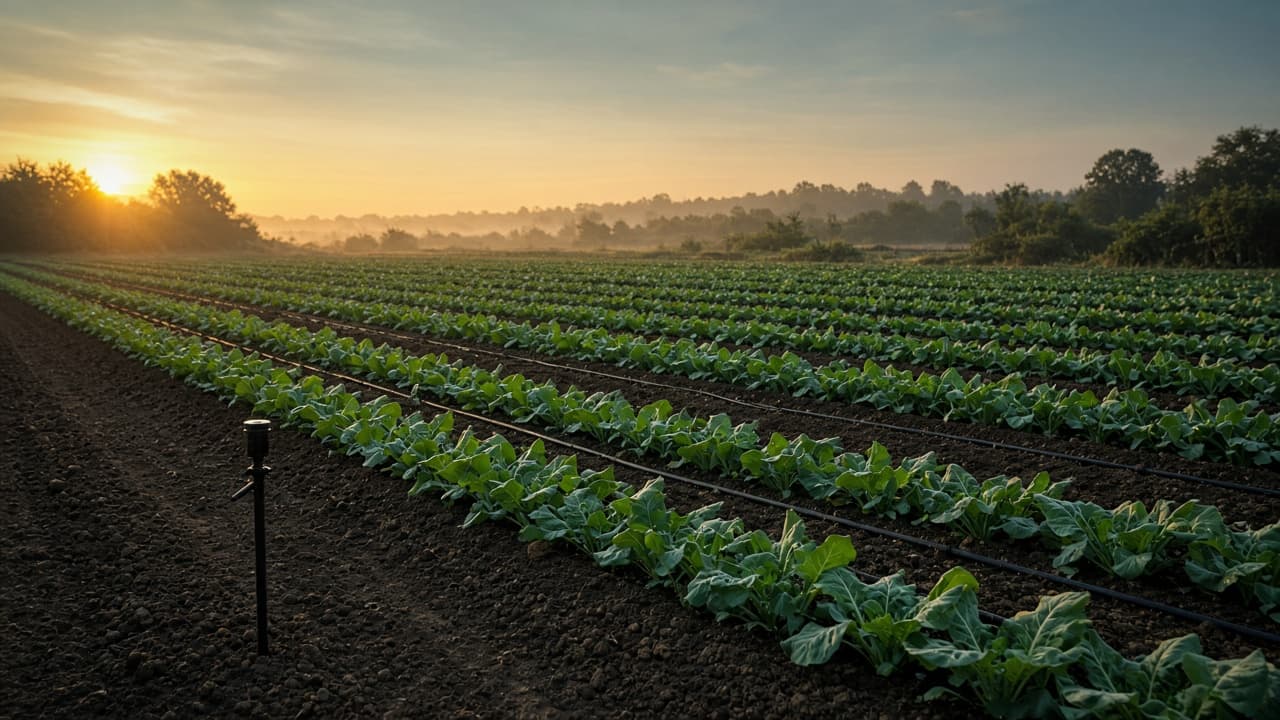
Drip irrigation across vegetable rows at dawn

Custom agricultural intelligence

Custom intelligence for agriculture that cannot afford waste.

We build the systems that know the difference: which zone is dry, which trees need chemistry, which animals are off-pattern, and which hives to open. Custom stacks for your operation — and products where we have already productized the work.

Irrigation, orchards, livestock, pollination, and specialty acres — measured on your operation. How we treat impact.

The pressures

Where waste still lives — and what we build to reduce it.

The figures below come from public surveys. They show the problems we take on. On a project, we measure your operation against a baseline you can see. Sources are linked.

Irrigation

Agriculture still withdraws nearly half of US freshwater.

Farms applied 81 million acre-feet of irrigation water across 53.1 million acres in 2023. Irrigation accounts for about 47% of the nation’s freshwater withdrawals. Scheduling by calendar, not by soil and crop stage, is how millions of gallons leave the field without feeding a plant.

Source: USDA NASS Irrigation and Water Management Survey 2023; USDA ERS / USGS
Crop protection

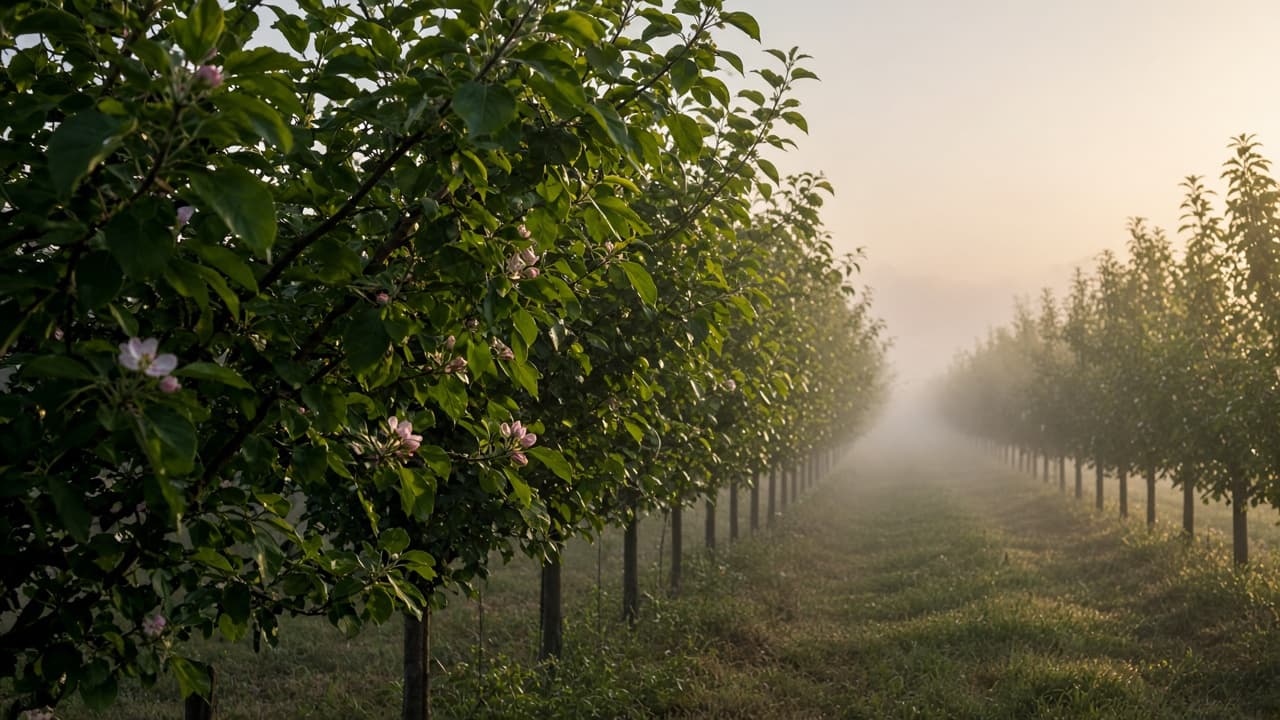
Precision tools exist. Most specialty operations still do not have them.

USDA finds precision-agriculture adoption rises sharply with farm size. Variable-rate and sensing tools are common on large crop farms and rare on small ones. Orchards and diversified acreage get painted with a block-wide spray when a tree-level map would have been enough.

Source: USDA ERS, America’s Farms and Ranches at a Glance, 2024

Livestock

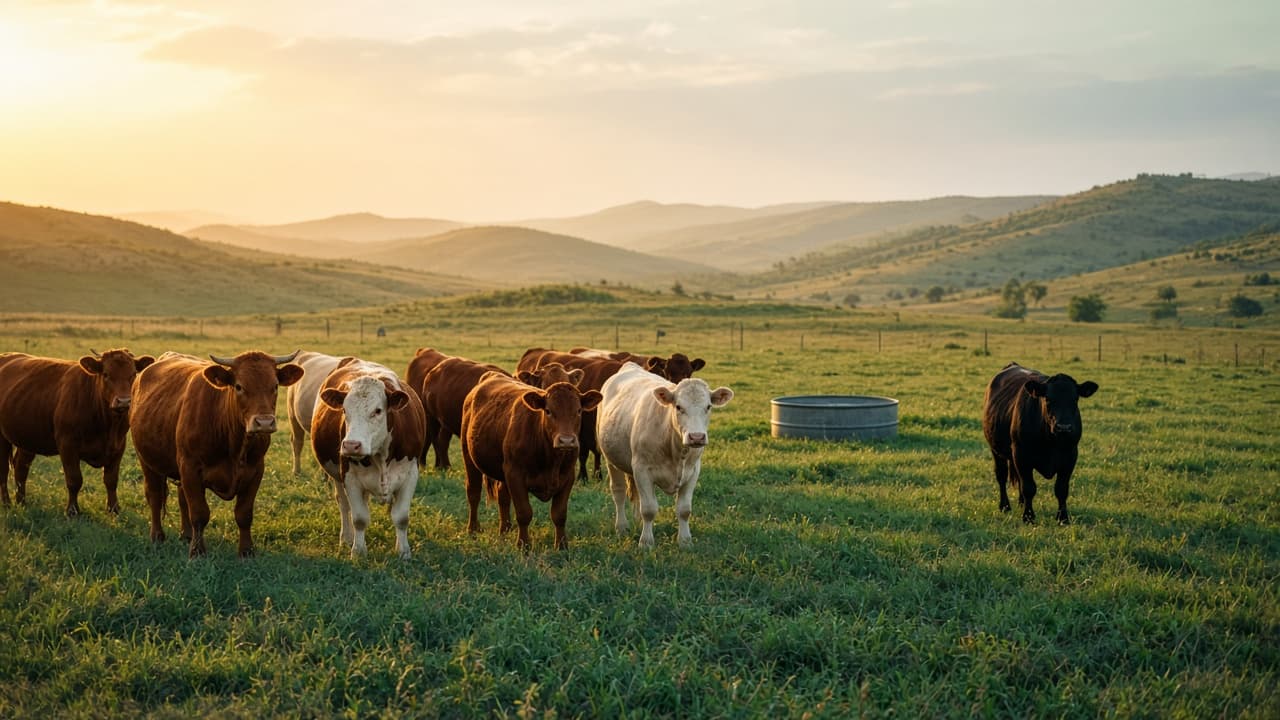
Wearable herd monitoring is still the exception, not the yard.

Wearable livestock technology was used on 1% of small farms and 12% of large-scale livestock farms in 2023. Sales of medically important antimicrobials for food-producing animals rose 16% in 2024 versus 2023. Earlier illness detection is how you treat the animal that needs it — and leave the rest alone.

Source: USDA ERS, America’s Farms and Ranches at a Glance, 2024; FDA CVM antimicrobial sales 2024

Pollinators

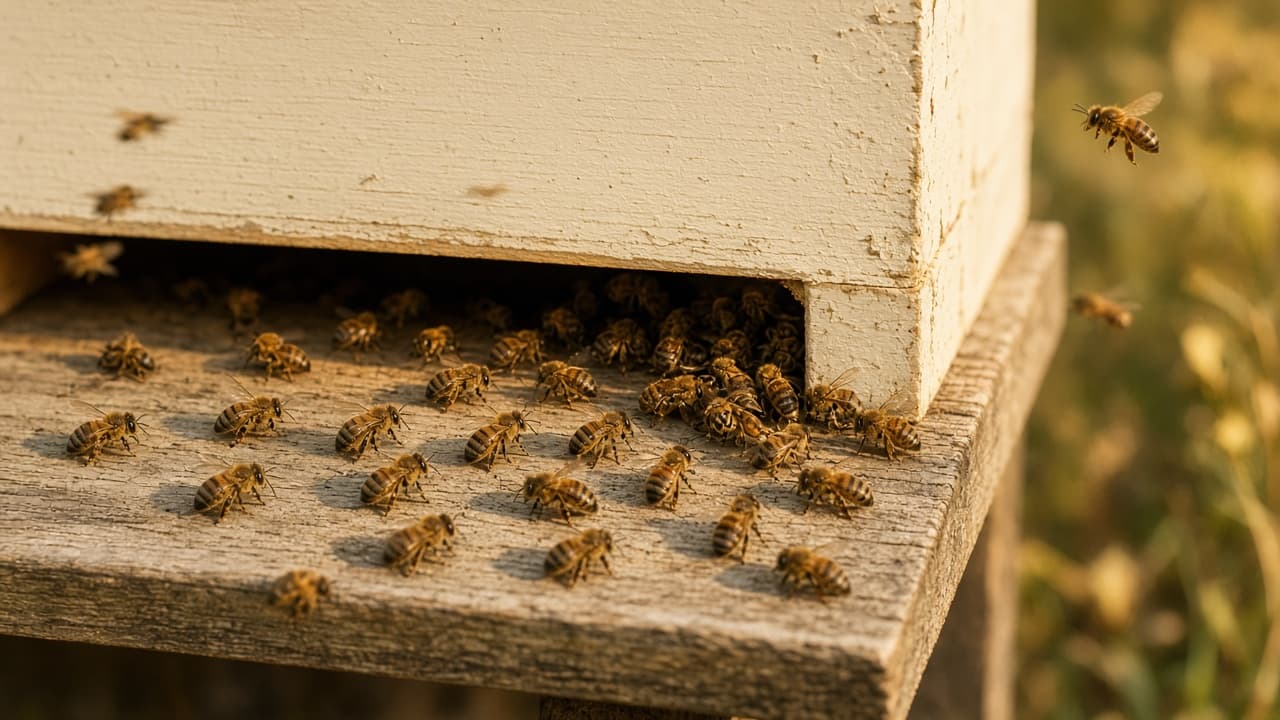
Winter colony losses still sit above what beekeepers call acceptable.

US beekeepers lost an estimated 40.2% of managed colonies in winter 2024–25 — the highest rate in the national survey’s history — and 30.3% in 2025–26. Beekeepers have long treated about 20% winter loss as acceptable. That gap is one of the problems we build for.

Source: Apiary Inspectors of America / US Beekeeping Survey

What we build

Sensing, deciding, and acting at the scale of a zone, a tree, an animal, or a yard.

Capabilities you pick for the job — irrigation, canopy, herd, pollination, or specialty acres.

Custom AI stacks

Models trained on your crop, orchard, herd, or colony.

Data ingestion, domain-tuned models, and a learning loop that stays on your operation. We build the decision layer: what to irrigate, inspect, spray, or pull, and why.

IoT sensory networks

Soil, canopy, barn, and weather as a live map your crew can act on.

Sensors where biology actually varies. Moisture, weight, temperature, humidity, motion, and CO₂ stream into the same pipeline the AI reads, so resources move only when the signal says so.

Computer vision

Drones, fixed cameras, and phones that see pests, disease, and growth stage.

Vision models for the signatures that matter in your block or yard — georeferenced maps a scout or a sprayer can act on the same afternoon.

Open integrations

Talk to the machinery, records, and sensors you already paid for.

APIs and adapters for existing equipment, farm records, and third-party sensors, so new intelligence sits on top of what you already run.

See the solutions →

Industries

Agriculture is bigger than one crop — and so are we.

Irrigation, orchards, livestock, pollination, and specialty acres. Same method: sense, decide, act, measure. Different biology on the ground.

Approach

Sense, process, act, learn — on your ground, in writing, in the crew’s day.

Sense

Discovery on your ground

What you already run, where waste lives, and which signals would change a decision this season.

Process

Design the decision layer

A written scope: sensors, models, records, and what we will measure. You approve before we build.

Act

Deploy into the crew’s day

Alerts, maps, and valves a person can use in the yard this week.

Learn

Baseline, then compound

Water, chemistry, mortality, medicine, labor — tracked against the season you started with.

How an engagement works →

How we deliver

Custom systems for the operation in front of us.

Sensors, models, vision, and records assembled for your crop, herd, orchard, or yard. Irrigation scheduling, pest maps, livestock health, pollination logistics, specialty-crop vision — scoped in writing, measured against a baseline. That is the company.

Custom work

Built for your ground

We are an agricultural-intelligence studio. We design sensing, AI, and vision for irrigation, orchards, livestock, pollination, and specialty acres. If a named product already covers the work, we will point you there so you do not buy a custom stack you do not need.

In the portfolio: HiveMasterPro — beekeeping operations software we continue to build, with a dedicated team on the product.

Impact

Precision is how waste leaves the field — measured on your operation.

Every project instruments the waste you asked us to cut, against a baseline on your ground. That is how you see what changed.

  • Water applied vs. a soil-and-weather baseline
  • Chemistry applied vs. mapped pressure
  • Medicine events vs. animals flagged early
  • Labor hours on work that did not need to happen
  • Colony mortality vs. your prior winters, when that is the job

Impact method and sources →

Questions

Direct answers.

What does Quail'a Bee Solutions actually sell?

Custom agricultural intelligence — sensing, domain-tuned AI, computer vision, and integrations — for irrigation, orchards, livestock, pollination, and specialty operations. Custom work is the core of the company.

How is this different from John Deere Operations Center or Climate FieldView?

Those platforms serve broad-acre grain and mixed equipment fleets. We build for specialty operations: diversified irrigation, orchards, livestock health, pollination, and stacks that need to fit your ground, your equipment, and your crew.

How does a custom engagement start?

A discovery call, then a short written scope: what we will sense, what we will decide, what we will measure. Design and deploy follow after you approve that scope. Typical first deployments are a season, so you can see the loop run before you expand it.

How do you measure results?

Every engagement starts with a baseline on your ground. We instrument water, chemistry, mortality, medicine, and labor against it, so the numbers you see come from your operation. Industry surveys help describe the problem; they are not a substitute for your season.

All questions →

Start a project

Tell us the operation and the waste you want to cut.

Irrigation, orchard, livestock, pollination, or a specialty job that needs a stack of its own. We reply within one business day.